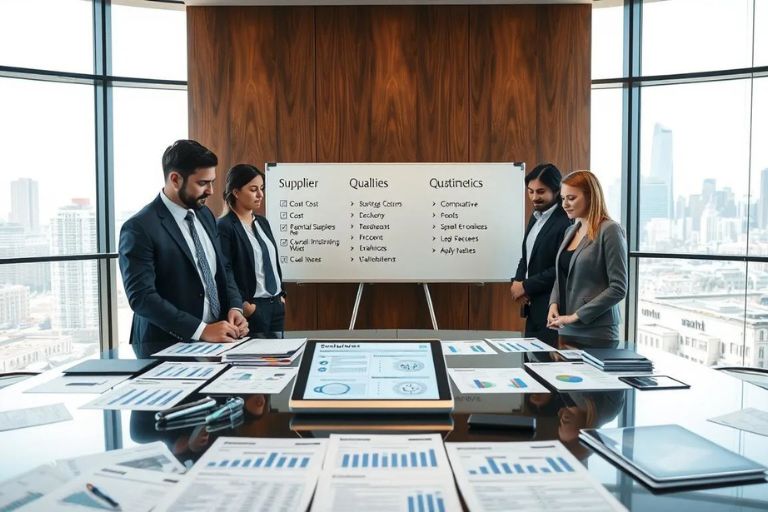
Global sourcing has become one of the most effective ways for businesses to reduce production costs, access world-class manufacturing capabilities, and expand into international markets. However, the success of any sourcing strategy depends on one critical factor—choosing the right supplier.
A supplier may offer attractive pricing and impressive product catalogs, but without proper verification, businesses risk delayed shipments, inconsistent product quality, compliance issues, and financial losses. This is why supplier verification is considered the foundation of successful global sourcing.
Whether you are sourcing FMCG products, automotive care solutions, home care products, personal care items, industrial goods, or private label products, verifying your supplier before placing an order protects your investment and strengthens your supply chain.
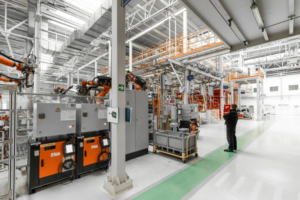
Professional supplier verification goes beyond checking company details. It evaluates manufacturing capabilities, quality systems, certifications, production capacity, export experience, and business reliability. This process helps businesses build long-term partnerships with manufacturers who can consistently deliver products that meet international standards.
What is Supplier Verification?
Supplier verification is the process of evaluating and confirming the credibility, capabilities, and reliability of a manufacturer or supplier before entering into a business relationship.
The objective is to ensure that the supplier has the resources, expertise, infrastructure, and quality systems required to fulfill your business requirements.
A comprehensive verification process typically includes:
- Company background verification
- Factory assessment
- Production capability evaluation
- Quality management review
- Certification verification
- Export experience analysis
- Financial stability assessment
- Compliance checks
By completing these evaluations, businesses reduce uncertainty and make informed sourcing decisions.
Why Supplier Verification Matters
Selecting the wrong supplier can affect every part of your business. Poor product quality, delayed deliveries, or communication issues can damage customer relationships and reduce profitability.
Supplier verification helps businesses:
- Minimize sourcing risks
- Improve product consistency
- Strengthen customer confidence
- Reduce operational disruptions
- Build long-term partnerships
- Support sustainable business growth
Instead of relying only on online catalogs or quotations, businesses gain real insights into a supplier’s capabilities.
1. Ensures Manufacturing Capability
One of the first objectives of supplier verification is confirming whether the manufacturer has adequate production capacity.
Businesses should evaluate:
- Factory size
- Production equipment
- Manufacturing technology
- Workforce strength
- Daily and monthly production capacity
A supplier with limited capacity may struggle to meet growing demand or large export orders.
2. Confirms Quality Management Systems
Quality plays a vital role in protecting brand reputation.
Verified suppliers typically maintain structured quality systems covering every stage of production.
Quality evaluations include:
- Raw material inspections
- Process monitoring
- Product testing
- Packaging verification
- Final inspections
Manufacturers with established quality procedures are more likely to deliver consistent products across every shipment.
3. Validates Certifications and Compliance
International buyers often require products that comply with industry regulations and global quality standards.
Supplier verification confirms whether the manufacturer possesses relevant certifications such as:
- ISO Quality Management
- GMP (where applicable)
- HACCP (for food-related products)
- Product-specific certifications
- Export compliance documentation
Working with compliant manufacturers reduces customs issues and increases buyer confidence.
4. Reduces Supply Chain Risks
Supply chain disruptions can impact production schedules and customer deliveries.
Verified suppliers generally have:
- Stable raw material sourcing
- Reliable production planning
- Experienced management teams
- Established logistics support
These strengths reduce the risk of unexpected delays and improve business continuity.
5. Improves Communication and Transparency
Communication is often overlooked during supplier selection.
Professional supplier verification assesses:
- Response time
- Technical knowledge
- Documentation accuracy
- Project management capability
- Customer support
Strong communication ensures smoother collaboration throughout production and shipping.
6. Protects Brand Reputation
Customers associate product quality with your brand—not with the manufacturer.
A verified supplier helps maintain:
- Consistent product quality
- Professional packaging
- Reliable delivery
- Customer satisfaction
Protecting your reputation today creates long-term business value tomorrow.
7. Supports OEM and Private Label Manufacturing
Supplier verification becomes even more important when developing OEM or private label products.
Businesses require manufacturers capable of delivering:
- Custom formulations
- Brand-specific packaging
- Confidential production
- Product consistency
- Scalable manufacturing
Verified manufacturers provide greater confidence throughout product development.
Key Factors to Evaluate During Supplier Verification
Before choosing a manufacturing partner, businesses should review several critical areas.
Business History
Evaluate years of operation, ownership structure, and industry experience.
Production Infrastructure
Inspect machinery, technology, production lines, and operational capacity.
Quality Assurance
Review inspection procedures, testing methods, and quality certifications.
Export Experience
Ensure the supplier understands international documentation, packaging, and shipping requirements.
Customer References
Previous export clients and long-term partnerships often indicate reliability.
Financial Stability
Stable businesses are generally better positioned to support long-term contracts.
Benefits of Working with Verified Suppliers
Businesses that invest in supplier verification often experience:
- Better product quality
- Fewer production delays
- Lower sourcing risks
- Improved customer satisfaction
- More reliable deliveries
- Stronger supply chains
- Increased profitability
Rather than reacting to problems after production begins, verification prevents many issues before they occur.
Why Businesses Choose Fox Trail Global
At Fox Trail Global, supplier verification is a key part of our global sourcing process.
Our team works with carefully evaluated manufacturing partners to ensure every client receives dependable products and professional service.
Our capabilities include:
- Supplier Verification
- Global Product Sourcing
- OEM Manufacturing
- Private Label Manufacturing
- Factory Assessments
- Quality Assurance
- Export Documentation
- Packaging Solutions
- International Logistics Support
By combining supplier verification with quality management and export expertise, we help businesses reduce sourcing risks and build stronger international partnerships.
Best Practices for Supplier Verification
Businesses can strengthen sourcing decisions by following these best practices:
- Verify business registration and legal status.
- Review manufacturing certifications.
- Conduct factory audits whenever possible.
- Request product samples before bulk production.
- Evaluate communication and responsiveness.
- Confirm production capacity for future growth.
- Check export experience and logistics capability.
- Establish clear quality standards before production begins.
Following these steps creates a more secure and reliable sourcing process.