
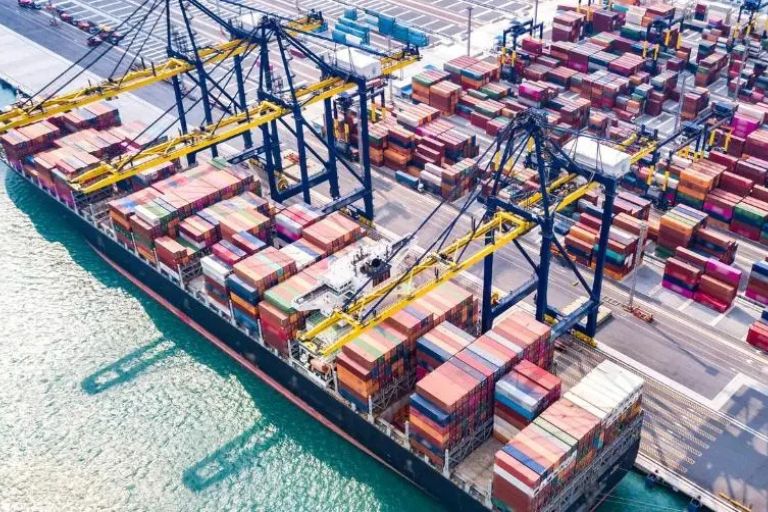
Global trade has created immense opportunities for businesses to expand beyond domestic markets and serve customers worldwide. However, success in international trade depends on more than competitive pricing and efficient logistics. One of the most important factors influencing customer satisfaction, regulatory compliance, and long-term business growth is Quality Assurance (QA).
Whether you manufacture consumer goods, home care products, automotive solutions, food products, industrial chemicals, or private label products, maintaining consistent quality is essential for building trust with international buyers. Even a single shipment containing defective products can damage your brand reputation, increase financial losses, and result in the loss of valuable business relationships.
For exporters, distributors, and manufacturers, quality assurance is no longer optional—it is a strategic investment that ensures products meet customer expectations and international standards.
What is Quality Assurance?
Quality Assurance (QA) is a systematic process designed to ensure that products consistently meet predefined quality standards before they reach customers. Unlike quality inspection, which identifies defects after production, quality assurance focuses on preventing defects throughout the manufacturing process.
A comprehensive QA system covers every stage of production, from sourcing raw materials to packaging, documentation, and final shipment. By implementing structured quality procedures, businesses can reduce errors, improve efficiency, and deliver reliable products to global markets.
Why Quality Assurance Matters in Global Trade
International buyers expect products that are consistent, safe, and compliant with industry regulations. Since products often travel thousands of kilometers before reaching customers, exporters must ensure that every shipment reflects the same level of quality.
Quality assurance provides several advantages:
- Builds buyer confidence
- Reduces product defects
- Minimizes shipment rejections
- Strengthens brand reputation
- Ensures regulatory compliance
- Improves customer retention
- Supports long-term international partnerships
Companies with strong quality systems are more likely to secure repeat orders and long-term contracts.
Key Stages of Quality Assurance
1. Raw Material Inspection
Quality begins with selecting the right raw materials. Every component should be inspected before entering production to ensure it meets required specifications.
Reliable suppliers and verified materials reduce manufacturing risks and improve final product performance.
2. Production Monitoring
Quality should be monitored continuously throughout manufacturing rather than only at the end of production.
Regular inspections help identify issues early, allowing corrective actions before defects become costly.
Production monitoring includes:
- Equipment calibration
- Process verification
- Operator supervision
- Batch consistency
- Safety compliance
3. Product Testing
Finished products should undergo detailed testing before packaging.
Testing may include:
- Performance evaluation
- Durability testing
- Safety checks
- Dimensional accuracy
- Functional testing
Depending on the product category, additional laboratory testing may also be required.
4. Packaging Inspection
Packaging plays a crucial role in international shipping.
Quality assurance ensures:
- Correct labeling
- Secure packaging
- Export-compliant materials
- Barcode verification
- Brand consistency
Proper packaging minimizes transit damage and improves customer satisfaction.
5. Pre-Shipment Inspection
Before products leave the manufacturing facility, a final inspection verifies:
- Quantity
- Product appearance
- Functionality
- Packaging quality
- Documentation accuracy
Pre-shipment inspections significantly reduce the risk of receiving customer complaints after delivery.
The Importance of Compliance
Different countries have different regulations governing imported products. Businesses must ensure their products comply with relevant safety, environmental, and quality standards.
Common compliance areas include:
- Product labeling
- Material safety
- Packaging requirements
- Import regulations
- Industry certifications
Failure to comply may result in shipment delays, penalties, or rejected imports.
Benefits of Strong Quality Assurance
Businesses that invest in quality assurance experience measurable advantages:
Reduced Returns
High-quality products reduce warranty claims, product returns, and customer complaints.
Improved Brand Reputation
Consistent product quality strengthens customer trust and encourages repeat business.
Higher Operational Efficiency
Preventing defects is significantly more cost-effective than correcting them after production.
Increased Export Opportunities
International buyers prefer suppliers with proven quality management systems and reliable production processes.
Quality Assurance and OEM Manufacturing
OEM manufacturing requires close collaboration between manufacturers and clients. Since products are often produced according to customer specifications, quality assurance ensures every product matches agreed technical requirements.
A structured QA system protects both the manufacturer and the client by ensuring:
- Product consistency
- Specification compliance
- Reliable production
- Customer satisfaction
OEM partners with strong quality systems create greater confidence among global buyers.
Why Businesses Choose Fox Trail Global
Fox Trail Global is committed to delivering products that meet the highest international quality standards.
Our quality-focused approach includes:
- Supplier Verification
- Raw Material Inspection
- Production Monitoring
- Product Testing
- Quality Audits
- Export Documentation
- International Packaging
- Logistics Coordination
- OEM Manufacturing
- Private Label Manufacturing
Our experienced team works closely with clients to ensure every shipment meets customer expectations while complying with global trade requirements.