Introduction
Expanding into international markets presents significant growth opportunities for businesses seeking to increase revenue, diversify customer bases, and strengthen global brand presence. However, successful international expansion depends on more than just having quality products. One of the most critical factors influencing export success is selecting the right export partner.
Whether you are a manufacturer, retailer, private label brand, distributor, or emerging business, the export partner you choose can directly impact product quality, regulatory compliance, logistics efficiency, customer satisfaction, and long-term profitability.
In today’s competitive global marketplace, businesses require export partners that can provide not only products but also strategic guidance, supply chain expertise, manufacturing capabilities, and market knowledge. Choosing the right partner helps minimize risks while maximizing opportunities for sustainable growth.
Why Export Partnerships Matter
International trade involves numerous complexities, including regulations, documentation, customs requirements, packaging standards, logistics coordination, and quality compliance.
A reliable export partner acts as an extension of your business, helping manage these challenges while ensuring smooth market entry and operational efficiency.
Strong export partnerships provide:
- Reliable product sourcing
- Consistent quality standards
- Supply chain stability
- Regulatory compliance support
- Market-specific solutions
- Faster business growth
Companies that establish strategic export partnerships often achieve stronger market positioning and long-term competitive advantages.
Key Qualities of a Reliable Export Partner
1. Industry Experience
Experience is one of the most valuable indicators of export capability.
An experienced export partner understands international trade requirements, shipping procedures, customs regulations, and market-specific challenges. Their expertise can help businesses avoid costly mistakes while ensuring smoother transactions.
Look for partners with proven experience across multiple product categories and international markets.
2. Product Quality Assurance
Quality remains one of the most important factors in international trade.
Customers, distributors, and retailers expect products that meet consistent quality standards regardless of market location.
A professional export partner should maintain:
- Product Quality Assurance Systems
- Quality Control Procedures
- Batch Traceability
- Product Testing Processes
- Manufacturing Excellence Standards
Consistent quality builds customer trust and supports long-term brand growth.
3. Manufacturing Capabilities
Many businesses today seek export partners capable of supporting both sourcing and manufacturing requirements.
Strong manufacturing capabilities provide:
- Greater production flexibility
- Faster product development
- Scalable production capacity
- Better quality control
- Customized product solutions
For businesses involved in private label and OEM manufacturing, manufacturing expertise becomes even more important.
4. Product Portfolio Diversity
Working with a multi-category export partner offers significant advantages.
A diversified export partner can support multiple product requirements through a single relationship, reducing sourcing complexity and improving operational efficiency.
Examples of diversified product categories include:
- Home Cleaning & Hygiene Products
- Automotive Care Solutions
- Fragrances & Wellness Products
- Packaging Solutions
- Food & Consumer Products
- Institutional & Commercial Products
A broad product portfolio allows businesses to expand without constantly searching for new suppliers.
The Importance of Compliance and Documentation
Export compliance is a critical component of international trade.
Different countries have unique regulatory requirements, documentation standards, packaging regulations, and product specifications.
An experienced export partner should assist with:
Export Documentation
Proper documentation ensures smooth customs clearance and timely delivery.
Regulatory Compliance
Products must comply with applicable regulations in destination markets.
Product Specifications
Detailed specifications help maintain consistency and customer confidence.
Quality Certifications
Where required, manufacturers should provide relevant certifications and compliance support.
Strong compliance systems reduce risks and improve international business credibility.
Supply Chain Reliability
Global supply chains continue to face challenges ranging from transportation delays to raw material shortages.
A dependable export partner should maintain:
- Reliable sourcing networks
- Strong logistics relationships
- Inventory planning systems
- Production scheduling capabilities
- Risk management processes
Reliable supply chains ensure uninterrupted product availability and customer satisfaction.
Businesses should evaluate how effectively potential partners manage supply chain operations before entering long-term agreements.
Private Label and OEM Capabilities
Modern businesses increasingly seek customized solutions to strengthen brand differentiation.
The ideal export partner should support:
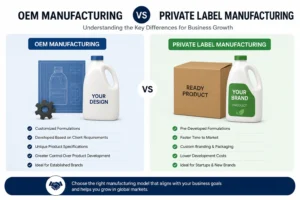
Private Label Manufacturing
Helping businesses launch products under their own brand names through customized packaging and branding solutions.
OEM Manufacturing
Developing customized products, formulations, and specifications based on client requirements.
These capabilities provide greater flexibility and allow businesses to create unique market positions.
Market Knowledge and Global Reach
A strong export partner understands international market trends and customer preferences.
Market knowledge helps businesses:
- Identify growth opportunities
- Adapt products to local preferences
- Improve competitive positioning
- Reduce market entry risks
- Enhance customer satisfaction
Partners with experience across regions such as South Asia, the Middle East, Africa, Southeast Asia, Europe, and North America can provide valuable insights that accelerate international expansion.
Questions to Ask Before Choosing an Export Partner
Before finalizing a partnership, businesses should evaluate:
- What product categories do they specialize in?
- Do they offer private label or OEM services?
- What quality assurance systems are in place?
- Can they support export documentation requirements?
- What markets do they currently serve?
- How scalable are their manufacturing capabilities?
- What logistics support do they provide?
- How do they handle compliance and regulations?
These questions help identify partners capable of supporting long-term business objectives.
Why Long-Term Partnerships Deliver Better Results
Many businesses focus solely on pricing when selecting export partners. While competitive pricing is important, long-term success often depends on relationship quality rather than cost alone.
Strategic export partnerships provide:
- Better communication
- Improved operational efficiency
- Product innovation opportunities
- Faster problem resolution
- Greater business flexibility
- Sustainable growth support
Companies that invest in long-term partnerships often achieve stronger performance and greater resilience in changing market conditions.
Conclusion
Choosing the right export partner is one of the most important decisions for businesses seeking international growth. A reliable partner provides much more than products—they offer manufacturing expertise, quality assurance, compliance support, supply chain reliability, and market knowledge.
By carefully evaluating capabilities, experience, quality systems, and long-term partnership potential, businesses can establish strong foundations for successful global expansion.
In an increasingly interconnected world, the right export partner can help transform opportunities into sustainable business growth while creating lasting value for customers, distributors, and stakeholders across international markets.